Skip to content

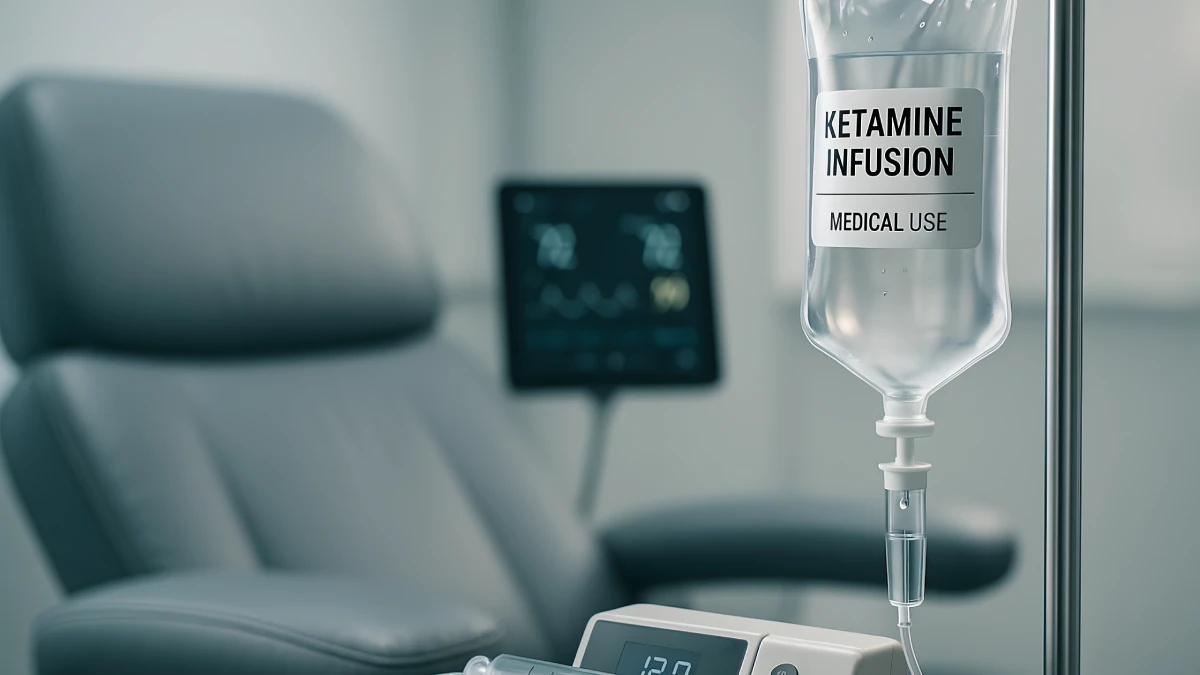
Living with depression or anxiety that hasn’t eased after months of medication or therapy is exhausting, and it makes sense to start looking at other options. Ketamine therapy for depression and anxiety is one of those options: a series of low-dose IV infusions given under medical supervision for symptoms that haven’t improved with conventional treatment.
At Revive Ketamine Centers, we provide ketamine infusion therapy for adults who want a different approach. Below, we cover how ketamine works, who may benefit, and the side effects and results patients should know about before deciding.
Could ketamine help me if other medications haven’t?
Ketamine may help some adults whose depression or anxiety hasn’t improved enough with standard medications or therapy. It is given as a series of low-dose IV infusions under medical supervision and acts on glutamate rather than serotonin. Some patients notice changes within hours or days, though results vary, and a medical evaluation determines whether it is a fit.
What Ketamine Therapy Is and Why It’s Used for Depression and Anxiety
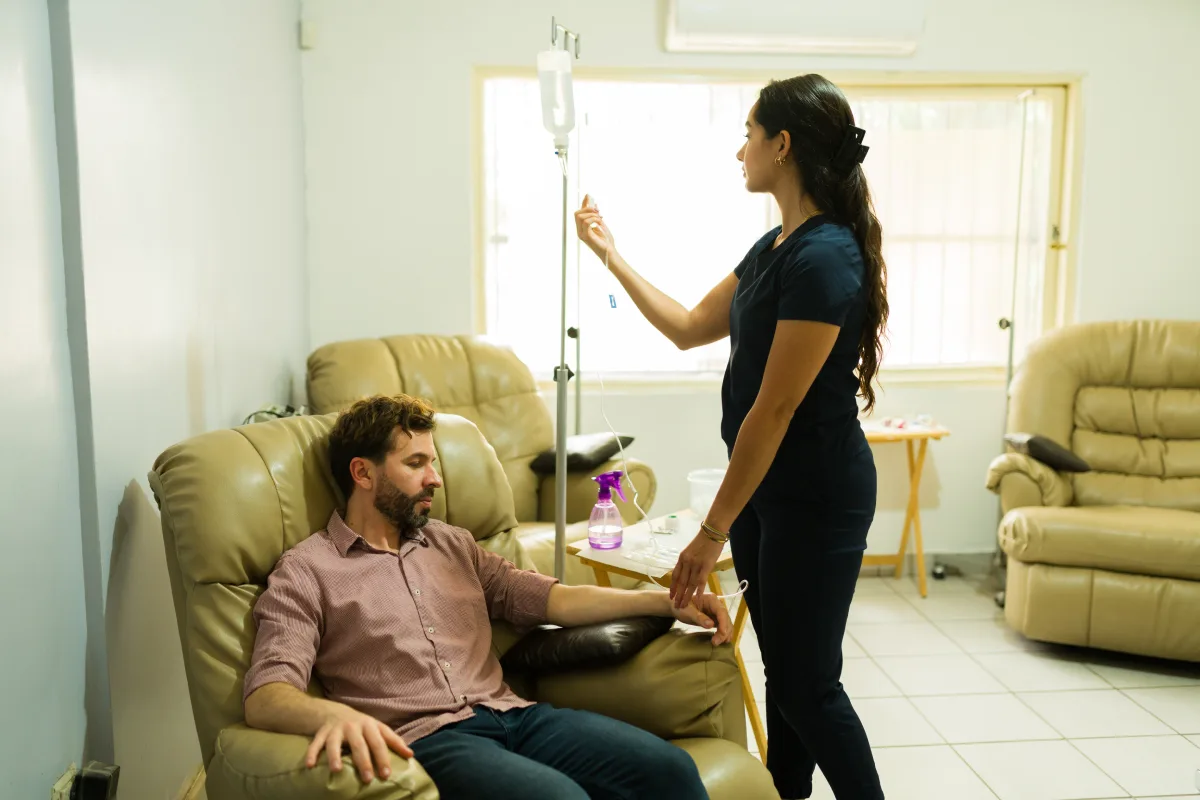
Ketamine therapy uses low-dose IV infusions of ketamine, given in a clinic where a medical team monitors you throughout each session. Providers typically consider it after medications, psychotherapy, or both haven’t brought lasting relief.
For patients looking for ketamine treatment in Buford, GA, Revive Ketamine Centers offers IV infusions in private treatment rooms at our Mall of Georgia Boulevard location. Each session takes place in a calm, medically supervised setting rather than a hospital ward.
How Ketamine Works for Depression and Anxiety
Ketamine works on a different brain system than most standard medications. It acts on NMDA receptors, which are binding sites that help regulate glutamate, one of the brain’s main chemical messengers. By adjusting this signaling, ketamine may support neuroplasticity, meaning the brain’s ability to form and strengthen connections between nerve cells.
Most antidepressants work mainly on serotonin and can take several weeks to show an effect. Some patients receiving ketamine notice changes within hours or days, though response varies from person to person.
For Depression
Ketamine treatment for depression is most often considered when symptoms persist despite standard care. Clinicians call this treatment-resistant depression, meaning depression that hasn’t improved enough after trying conventional medications or therapy. With ketamine treatment for treatment-resistant depression, some patients report better mood, more motivation, and an easier time engaging with daily life, though results vary.
For Anxiety
Ketamine therapy for anxiety may help calm overactive stress responses in people with persistent or severe symptoms. It is typically an option for anxiety that hasn’t eased with other approaches, such as medication or therapy. Some patients report feeling calmer and more emotionally balanced after treatment, while others notice less change.
What Off-Label Use Means for Ketamine Therapy
Using ketamine for depression and anxiety is an off-label use. Ketamine has long been used as an anesthetic in medical settings, and off-label means a physician prescribes an established medication for a purpose beyond its original labeled use.
Off-label prescribing is a common and legal part of medical practice. It is also one reason ketamine therapy requires a medical evaluation and close supervision during every session.
Who May Benefit From Ketamine for Depression and Anxiety
Ketamine therapy may be a fit for adults whose depression or anxiety hasn’t improved enough with standard medications or therapy. It isn’t a first step for everyone, and a medical evaluation decides whether it makes sense for you.
Your consultation covers:
- Current symptoms and how long you’ve had them
- Medical and mental health history
- Past treatments and how you responded
- Current medications
- Your goals for treatment
Our provider also reviews your overall health, including factors like blood pressure, to confirm ketamine is appropriate. If you have questions before booking, contact our team, and we will explain how the evaluation works.
Side Effects and Results Patients Should Know About
Ketamine therapy is given as a series of monitored IV infusions, sometimes followed by maintenance sessions if needed. Side effects are usually mild and temporary, and our clinical team monitors your vital signs during every session. Common side effects include:
- Dizziness or drowsiness
- Nausea
- Blurred vision
- A temporary rise in blood pressure
- A dreamlike, detached feeling (called dissociation) that typically fades within a few hours
Because ketamine can affect coordination and alertness afterward, you’ll need someone to drive you home.
Results vary from person to person. Some patients notice changes within hours to a few days, and benefits may last weeks or months, with booster infusions helping some patients maintain progress. Ketamine is not a cure, and it tends to work best alongside counseling, medication management, and your existing care team.
Common Questions About Ketamine Therapy for Depression and Anxiety
Does ketamine work for everyone with depression or anxiety?
No. Results vary, and some patients respond more than others. A consultation helps determine whether ketamine is a reasonable fit for your symptoms and history.
Does ketamine replace my antidepressant?
Not necessarily. Many patients use ketamine therapy alongside their existing treatment, and any medication changes should go through your prescribing provider.
Can I keep seeing my therapist or psychiatrist?
Yes. We coordinate with your current providers so your care stays connected, and counseling often supports the progress patients make during treatment.
A Clearer Picture of Your Treatment Options
Ketamine therapy for depression and anxiety offers a different approach when standard care hasn’t brought enough relief. It works on glutamate signaling rather than serotonin, is used off-label under medical supervision, and usually causes short-lived side effects. Results vary, and a medical evaluation is the clearest way to learn whether it fits your situation.
Considering Ketamine Therapy for Depression or Anxiety? Learn Your Treatment Options. Our team at Revive Ketamine Centers in Buford, GA, is here to talk through your options, so schedule a consultation to review your history and find out whether ketamine infusion therapy is right for you.