Skip to content

Anxiety that persists despite therapy, medication, or other forms of care may lead patients to explore additional treatment approaches. Ketamine for anxiety has gained clinical interest because it affects brain signaling differently from many conventional psychiatric medications. Understanding how ketamine helps anxiety starts with looking at its effects on glutamate, neural connections, and the brain pathways involved in stress and emotional regulation.
Is ketamine approved specifically for anxiety?
Ketamine is not FDA-approved specifically for anxiety disorders, although clinicians may use it off-label in selected patients after an appropriate medical evaluation.
How Ketamine Interacts With the Brain
Many familiar psychiatric medications primarily affect neurotransmitters such as serotonin, norepinephrine, or both. Ketamine works differently. One of its primary actions involves blocking NMDA receptors, which are part of the brain’s glutamate system.
Glutamate is a neurotransmitter involved in communication between nerve cells, learning, memory, and neuroplasticity. Neuroplasticity refers to the brain’s ability to adapt and reorganize connections in response to experiences and changes.
Researchers believe ketamine’s activity within the glutamate system may promote changes in neural communication that are relevant to mood and stress responses. This different mechanism is one reason ketamine has been studied for psychiatric symptoms that have not improved sufficiently with conventional care.
Where Ketamine May Fit Among Anxiety Treatment Options
There is no single treatment path for anxiety. Anxiety treatment options may include psychotherapy, medications, behavioral strategies, changes to sleep and daily habits, or a combination of approaches.
Ketamine may enter the discussion when symptoms remain persistent or significantly disruptive after appropriate conventional treatments have been attempted. Treatment-resistant anxiety generally describes anxiety symptoms that have not responded adequately to standard interventions, although definitions and treatment criteria can vary.
A lack of improvement with one approach does not automatically mean ketamine should be the next treatment. A clinician may first review the diagnosis, previous medications and doses, duration of treatment, psychotherapy history, other health conditions, and factors that could contribute to ongoing symptoms.
5 Potential Benefits of Ketamine Therapy
The benefits of ketamine therapy depend on the patient’s condition and response to treatment. Current research and clinical use have highlighted several characteristics that may make ketamine worth discussing with an experienced provider.
1. A Different Treatment Mechanism
Ketamine primarily affects glutamate and NMDA receptor activity rather than relying on the same pathways targeted by many conventional psychiatric medications. This gives clinicians another mechanism to consider when previous approaches have provided limited improvement.
2. Changes May Occur Relatively Quickly
Some patients receiving ketamine for certain psychiatric conditions report symptom changes within hours or days rather than several weeks. Response time varies considerably, however, and early improvement cannot be promised.
3. It May Be Considered After Previous Treatments
Ketamine is sometimes evaluated for people whose symptoms have persisted despite established treatments. A complete medical and psychiatric assessment is still necessary to determine if it is a reasonable option.
4. Treatment Takes Place Under Clinical Supervision
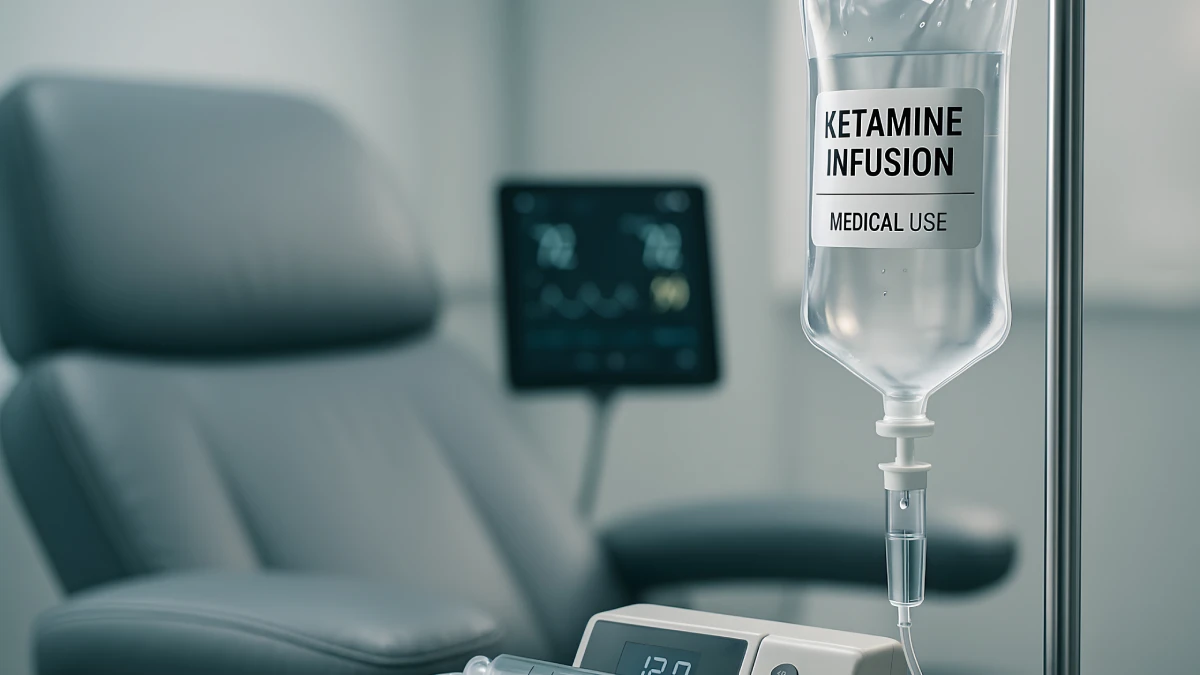
Ketamine infusion therapy is administered in a monitored setting. Providers can observe blood pressure, physical responses, and temporary psychological effects during and after an infusion.
5. Treatment Can Be Part of Broader Mental Health Care
Ketamine does not have to replace other forms of care. Depending on clinical recommendations, it may be used alongside psychotherapy, medication management, and other strategies that address the factors contributing to anxiety.
What to Expect From Ketamine Infusion Therapy
An appointment typically begins with an evaluation before an infusion is scheduled. The provider reviews medical history, current medications, previous psychiatric treatments, symptoms, and factors that could affect treatment safety.
During an intravenous infusion, ketamine is administered at a controlled dose while the patient is monitored. Some people experience temporary changes in perception, a feeling of detachment, dizziness, nausea, or changes in blood pressure. These effects are monitored and generally resolve after treatment, although experiences differ.
A treatment plan may involve a series of infusions rather than a single appointment. The number and frequency depend on the clinical protocol and individual response.
How Long Do the Effects of Ketamine Last?
There is no fixed duration of improvement after ketamine treatment. Some patients may experience changes after early infusions, while others may need multiple sessions before their provider can adequately evaluate the response. Some individuals may not experience meaningful improvement.
The duration of any benefit also varies. A provider may recommend an initial series followed by periodic assessment, and maintenance treatment may be considered in some cases based on response.
Making an Informed Decision About Ketamine for Anxiety
Interest in ketamine should begin with a clinical conversation rather than an assumption that it will resolve anxiety quickly. The type of anxiety, severity of symptoms, previous treatments, physical health, medications, and psychiatric history can all influence candidacy.
Patients should understand the proposed treatment schedule, possible side effects, expected monitoring, costs, and the evidence supporting ketamine for their particular condition. It is equally important to discuss how ketamine would fit alongside existing mental health care.
Revive Ketamine Centers Ketamine Therapy in Buford, GA
People considering ketamine therapy in Buford, GA can discuss infusion treatment with Revive Ketamine Centers. The clinic provides ketamine infusion therapy for eligible patients dealing with mental health concerns and chronic pain conditions, including anxiety, depression, PTSD, and certain persistent pain concerns.
For someone researching anxiety treatment in Buford, GA, an initial consultation provides an opportunity to discuss how long symptoms have been present, treatments already attempted, current medications, and expectations for care. These details can help determine if ketamine warrants consideration.
Patients searching for a Ketamine clinic in Buford, GA may also want to ask about candidacy requirements, the expected treatment schedule, possible side effects, monitoring procedures, and follow-up care before committing to therapy.
Our team offers ketamine infusions in Buford that patients can receive under clinical supervision. Because ketamine may produce temporary physical and perceptual effects, appropriate screening and monitoring remain important parts of treatment.
Ready to explore whether ketamine therapy is right for your anxiety? Contact Revive Ketamine Centers today to schedule a consultation.
Frequently Asked Questions
How quickly can ketamine affect anxiety symptoms?
Some patients may notice changes relatively soon after treatment, but the timing and degree of response vary and improvement cannot be guaranteed.
How many ketamine infusions are needed for anxiety?
The number of infusions depends on the provider’s protocol, the patient’s health and symptoms, and how the patient responds during the initial treatment series.
Can ketamine therapy replace anxiety medication or psychotherapy?
Ketamine does not automatically replace existing care, and a clinician may recommend using it alongside psychotherapy, medication management, or other appropriate treatments.