Skip to content

Depression is one of the most common and most undertreated health conditions in the country, not because effective care does not exist, but because finding the right treatment can take years of trying and adjusting. Antidepressants help many people significantly. But for a meaningful portion of those living with depression, multiple medications and rounds of therapy have not produced the relief they were looking for. If that describes your experience, you are not alone, and you are not out of options.
Revive Ketamine Centers in Buford, GA, specializes in ketamine infusion therapy for patients who have not found adequate relief through conventional mental health treatments. If you have been researching ketamine therapy for depression and want a clear, honest picture of what it involves and whether it might apply to your situation, this guide is a good place to start.
When should someone consider ketamine therapy for depression?
Ketamine therapy for depression is typically considered when a person has not experienced adequate relief after trying two or more antidepressant medications at appropriate doses and durations, a condition often referred to as treatment-resistant depression. It may also be considered for individuals experiencing acute depressive symptoms that have not responded to other interventions. A consultation with a qualified provider is the most appropriate way to assess whether ketamine therapy is a clinically suitable option for a specific individual.
What Makes Ketamine Different From Conventional Antidepressants
Most antidepressants work by adjusting levels of serotonin, dopamine, or norepinephrine in the brain. These medications are effective for many patients, but they typically take four to six weeks to produce noticeable effects, and they do not work for everyone. Ketamine operates through a different mechanism entirely. It targets NMDA receptors, which are part of the brain’s glutamate system, a network involved in learning, memory, and neural communication. By acting on this system, ketamine can affect neural pathways in ways that conventional antidepressants do not reach.
The clinical significance of this difference is that ketamine therapy for depression can produce symptom relief much more rapidly than standard antidepressants, sometimes within hours or days of the first infusion. For patients who have been waiting months or years for relief through traditional treatments, this speed matters enormously. It is important to note that ketamine is not a permanent cure for depression, and ongoing management with a qualified mental health team remains a central part of any treatment plan. But for patients who have not responded to other approaches, it can represent a meaningful shift in what is possible.
How Ketamine Infusion Therapy Works in Practice
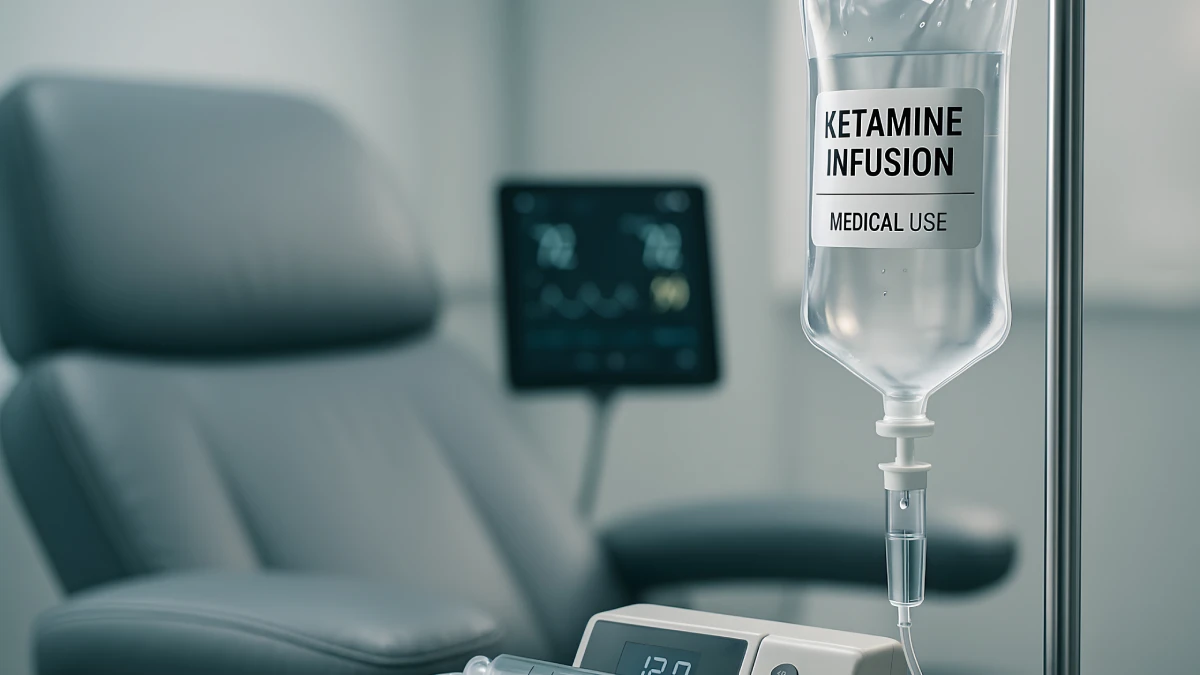
A ketamine infusion session involves receiving a carefully calibrated dose of ketamine intravenously over a controlled period, typically around 40 to 60 minutes, in a monitored clinical setting. The dose used for depression treatment is significantly lower than anesthetic doses and is carefully adjusted based on the patient’s weight and health profile. A trained provider monitors the patient throughout the session.
Typically, patients will have a series of infusions rather than a one-off procedure. Typically, the initial round includes many infusions over the course of a week or two. The number and frequency depend on the provider, diagnosis, and patient reaction. Some patients choose to get maintenance infusions at lengthier intervals after their initial series. At Revive Ketamine Center, the protocol is customized for each patient, and add-on supports like magnesium, taurine, etc. are provided to help support the primary infusion and sustain its benefits between sessions.
The Conditions Ketamine Therapy Can Address
While depression is the most commonly discussed indication for ketamine therapy, the treatment has also shown clinical promise for a broader range of conditions rooted in neurological and psychological distress. These include anxiety disorders, post-traumatic stress disorder, obsessive-compulsive disorder, and chronic pain conditions including fibromyalgia and complex regional pain syndrome.
For patients dealing with multiple overlapping conditions, such as depression alongside chronic pain or PTSD, ketamine’s mechanism of action may address several concerns within the same treatment framework. This is one reason why the initial consultation is so important. Understanding the full picture of what a patient is experiencing allows the provider to determine whether ketamine infusion therapy is appropriate and how to structure a protocol that fits the individual’s needs.
Recognizing When It May Be Time to Explore This Option
Usually, the choice to pursue ketamine therapy for depression comes after some real work with other treatments. Most patients seeking out ketamine have already been on antidepressant medicines, frequently multiple, and have been working with a therapist or psychiatrist for an extended period of time. If those attempts haven’t resulted in appropriate alleviation or symptoms persist despite continuous treatment, it’s reasonable to have a professional discourse about whether ketamine fits in the strategy.
No fixed threshold automatically qualifies someone for ketamine therapy, and the decision is always made in collaboration with a provider who reviews the patient’s full history. However, patients who have been diagnosed with treatment-resistant depression, meaning depression that has not responded to at least two adequate medication trials, are often the strongest candidates. Patients experiencing a significant impact on daily functioning despite active treatment are also frequently considered appropriate for evaluation.
Taking the Next Step When You Feel Ready
Researching ketamine therapy for depression is a meaningful step. The most important next step, when you feel ready, is a real conversation with a clinical team that can evaluate your specific history and help you decide whether this treatment makes sense for where you are right now.
Revive Ketamine Centers is ready to have that conversation. Looking for ketamine therapy in Buford or the greater Atlanta area? Schedule your consultation with Revive Ketamine Centers today. You are also welcome to reach out through the contact page with questions before your first visit. Our team approaches every inquiry with the seriousness and care it deserves.